DF 4 G T / DF 4 G Q T
Fused & Natural Silica
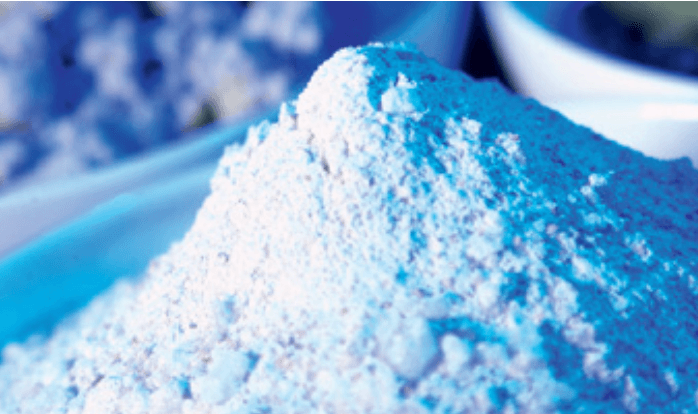
German/Swedish-sourced silica ramming mass, premixed with 200-mesh boron oxide.
For acidic-slag operations such as cast iron (CI) and SG iron (SGI) foundries, silica ramming mass remains the standard — but binder quality and grain packing density decide how many heats a lining survives. DFP India blends silica from German and Swedish mines with a 200-mesh boron oxide binder for higher packing density. Its Natural Silica DF 4 G T delivers 600–700 heats in grey-iron service, while Fused Silica DF 4 G Q T lasts roughly 40% longer.
Product range
- DF 4GTNatural silica ramming mass
- SILRAM 986 DGSSilica ramming mass
- SILRAM 986 DGS QSilica ramming mass
- DF 4GT QFused silica ramming mass
Performance & consumption data
Natural Silica DF 4 G T · 25 T · SGI
350–450 heats
Heats
1 kg / ton
Consumption
Natural Silica DF 4 G T · 25 T · GI
600–700 heats
Heats
0.9 kg / ton
Consumption
Fused Silica DF 4 G Q T · 12 T · GI / SGI
+40% vs natural silica
Life
Case in point
Extending heat count in CI & SG iron furnaces with boron-oxide premix silica
DFP's own data shows Fused Silica DF 4 G Q T delivering 40% more heats than Natural Silica DF 4 G T in GI/SGI service. For a foundry currently getting 600–700 heats from Natural Silica on a grey-iron furnace, that improvement implies roughly 840–980 heats from the Fused grade at a comparable furnace size before a reline is needed.
Competitive edge vs. generic / local
- Dual-origin (Germany + Sweden) silica blending improves packing density beyond what single-mine commodity silica can achieve — directly translating to more heats per lining.
- 200-mesh boron oxide binder lowers sintering temperature and produces a tougher sinter shell than the coarser, inconsistent binders used in unbranded premixes.
- Fused Silica's 40% longer life than natural silica offers foundries a clear upgrade path for high-volume GI/SGI lines without changing furnace design.
- Lower thermal expansion in the fused grade reduces crack-driven early failure versus generic natural-silica-only local mass.
What changes when you switch
| Aspect | Generic single-source silica | DFP Fused / Natural Silica |
|---|---|---|
| Binder consistency | Variable, coarser local binders | 200-mesh boron oxide binder, consistent packing density |
| Sourcing | Single mine, variable purity | German + Swedish blend for higher packing density |
| Heat count (GI) | Baseline | Natural: 600–700 heats · Fused: ~40% higher |
| Thermal expansion | Higher in natural-silica-only mixes | Fused grade offers significantly lower expansion |
Frequently asked questions
How many heats does silica ramming mass last for in a GI furnace?
Natural Silica DF 4 G T: 600–700 heats; Fused Silica DF 4 G Q T: ~40% more.
What's the difference between fused and natural silica ramming mass?
Fused silica is processed for lower thermal expansion and higher packing density, giving longer life under repeated heat cycling, at a higher cost per kg.
Is DFP's silica suitable for SGI foundries?
Yes, both grades are formulated for GI and SGI service, premixed with boron oxide binder.
Which ramming mass is best for cast iron foundries?
For acidic-slag CI and SGI foundries, silica ramming mass is the standard; DFP's boron-oxide-premixed grades give 600–700 heats in grey-iron service.
What is boron oxide used for in silica ramming mass?
The 200-mesh boron oxide binder lowers sintering temperature and produces a tougher sinter shell for higher packing density.